top of page

The Art of Gardening: Creative Practices in Every Season

  • Writer: 3Cats Cycling
    3Cats Cycling
  • 12 hours ago
  • 4 min read

Gardening is more than just a hobby; it’s an art form that allows individuals to express creativity, connect with nature, and cultivate beauty in their surroundings. Whether you have a sprawling backyard or a small balcony, there are countless ways to engage with the earth and create a vibrant garden. In this post, we will explore creative gardening practices for each season, offering practical tips and inspiration to help you nurture your green space year-round.


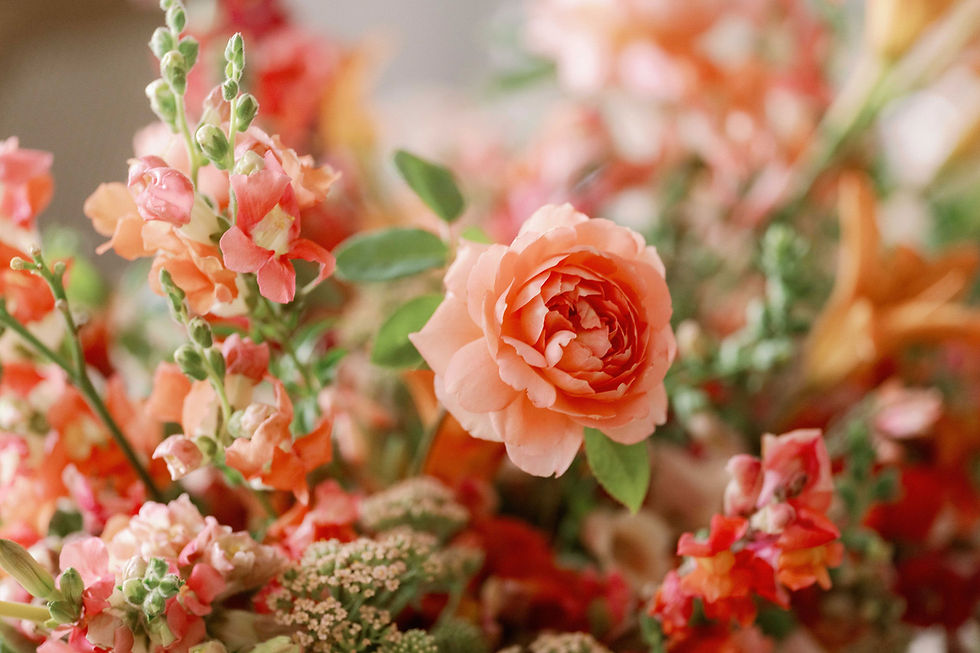
Close-up view of a colorful flower bed in full bloom

Spring: Awakening the Garden


As winter fades, spring brings a sense of renewal and excitement for gardeners. This is the perfect time to prepare your garden for a flourishing season ahead.


Start with Soil Preparation


Before planting, it’s essential to ensure your soil is healthy. Here are some steps to prepare your garden:


  • Test Your Soil: Use a soil testing kit to determine pH levels and nutrient content. This will help you understand what amendments your soil may need.

  • Amend the Soil: Based on the test results, add organic matter such as compost or well-rotted manure to improve soil structure and fertility.

  • Tilling: Loosen the soil by tilling it to a depth of about 12 inches. This helps aerate the soil and allows roots to penetrate easily.


Choose the Right Plants


Spring is the ideal time to plant a variety of flowers, vegetables, and herbs. Consider these options:


  • Flowers: Pansies, tulips, and daffodils are excellent choices for early blooms.

  • Vegetables: Cool-season crops like lettuce, peas, and radishes thrive in spring.

  • Herbs: Planting herbs such as parsley, cilantro, and chives can enhance your culinary creations.


Creative Planting Techniques


Experiment with different planting techniques to add visual interest to your garden:


  • Container Gardening: Use pots and containers to create a mobile garden. This is especially useful for small spaces.

  • Vertical Gardening: Install trellises or wall planters to maximize space and create a stunning vertical display.

  • Companion Planting: Pair plants that benefit each other, such as tomatoes and basil, to improve growth and deter pests.


Summer: Embracing Growth


Summer is a time of abundance in the garden. As plants reach their peak growth, it’s crucial to maintain their health and vibrancy.


Watering Wisely


Watering is vital during the hot summer months. Here are some tips for effective watering:


  • Deep Watering: Water deeply and less frequently to encourage deep root growth. Aim for about 1 inch of water per week.

  • Morning Watering: Water early in the morning to reduce evaporation and fungal diseases.

  • Mulching: Apply a layer of mulch around plants to retain moisture and suppress weeds.


Pest Management


Summer can bring unwanted pests. Here’s how to manage them naturally:


  • Handpicking: Regularly inspect plants and remove pests by hand.

  • Beneficial Insects: Attract ladybugs and lacewings to your garden, as they feed on harmful pests.

  • Natural Sprays: Use neem oil or insecticidal soap as a natural remedy for pest control.


Creative Summer Projects


Engage in creative projects to enhance your garden’s appeal:


  • Garden Art: Create unique garden art using recycled materials, such as painted rocks or wind chimes.

  • Themed Gardens: Design a themed garden, such as a butterfly garden or a sensory garden, to create a specific atmosphere.

  • Garden Parties: Host a garden party to celebrate the season with friends and family, showcasing your hard work.


Fall: Preparing for Rest


As summer transitions to fall, it’s time to prepare your garden for the cooler months ahead. This season is about harvesting and planning for the future.


Harvesting


Fall is the time to reap the rewards of your hard work. Here’s how to make the most of your harvest:


  • Pick at Peak Ripeness: Harvest fruits and vegetables when they are at their peak for the best flavor.

  • Preserve Your Bounty: Consider canning, freezing, or drying excess produce to enjoy throughout the winter.


Fall Cleanup


A clean garden sets the stage for a healthy spring. Follow these steps for effective fall cleanup:


  • Remove Debris: Clear away dead plants and fallen leaves to prevent pests and diseases from overwintering.

  • Composting: Add organic waste to your compost pile to enrich your soil for next season.

  • Soil Testing: Conduct another soil test to prepare for amendments in the spring.


Creative Fall Activities


Engage in creative activities that celebrate the fall season:


  • Plant Bulbs: Plant spring-flowering bulbs like tulips and daffodils for a colorful display next year.

  • Decorate with Nature: Use pumpkins, gourds, and autumn leaves to create seasonal decorations for your home.

  • Garden Journaling: Document your gardening experiences and observations in a journal to reflect on what worked and what didn’t.


Winter: Rest and Reflection


Winter may seem like a dormant time for gardening, but it offers opportunities for reflection and planning.


Protecting Your Garden


Ensure your garden survives the winter months with these protective measures:


  • Mulching: Apply a thick layer of mulch to protect plant roots from freezing temperatures.

  • Covering Plants: Use row covers or cloches to shield delicate plants from frost.

  • Watering: Water evergreens and other plants during dry spells to prevent desiccation.


Planning for the Next Season


Use winter as a time to plan for the upcoming gardening season:


  • Research New Plants: Explore new varieties of flowers and vegetables to try in your garden.

  • Design Your Layout: Sketch out your garden layout, considering crop rotation and companion planting.

  • Attend Workshops: Participate in gardening workshops or online courses to expand your knowledge and skills.


Creative Winter Projects


Engage in creative projects that keep your gardening spirit alive during the winter:


  • Indoor Gardening: Start an indoor herb garden or grow microgreens on your windowsill.

  • Crafting: Create handmade garden markers or bird feeders to attract wildlife.

  • Garden Planning: Use this time to create a vision board for your garden, incorporating your goals and inspirations.


Conclusion


Gardening is a year-round journey filled with creativity, learning, and connection to nature. By embracing the unique practices of each season, you can cultivate a thriving garden that reflects your personal style and enhances your environment. Whether you’re a seasoned gardener or just starting, there’s always something new to explore and create in the world of gardening. So grab your tools, get your hands dirty, and let your garden flourish!


Comments


bottom of page