top of page

Capturing Garden Stories: A Photographer’s Perspective

  • Writer: 3Cats Cycling
    3Cats Cycling
  • 12 hours ago
  • 4 min read

Gardens are more than just patches of green; they are living stories waiting to be told. Each flower, leaf, and insect contributes to a narrative that unfolds with every season. As a photographer, I find immense joy in capturing these stories through my lens. In this blog post, I will share my insights on how to effectively photograph gardens, the emotions they evoke, and the stories they tell.


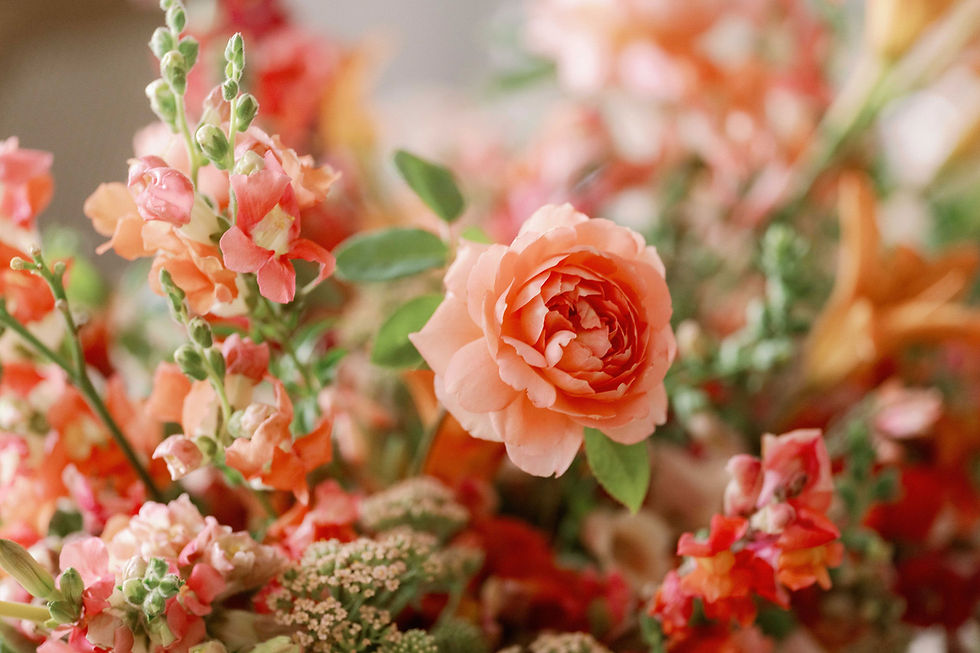
Close-up view of a blooming rose with dew drops

Understanding the Essence of Gardens


Gardens are unique ecosystems that reflect the personality of their caretakers. They can be serene, chaotic, colorful, or monochrome. Understanding the essence of a garden is crucial for any photographer. Here are some key elements to consider:


The Mood of the Garden


Every garden has a mood that can be captured through photography. For instance:


  • Serene Gardens: These often feature soft colors and gentle lines. Think of a Zen garden with raked gravel and carefully placed stones.

  • Vibrant Gardens: Bursting with color, these gardens can evoke feelings of joy and excitement. A flower garden in full bloom is a perfect example.

  • Wild Gardens: These are often unkempt, showcasing nature's raw beauty. They can tell a story of resilience and natural growth.


Seasonal Changes


Gardens change with the seasons, and each season offers unique photographic opportunities:


  • Spring: This season is all about renewal. Capture the fresh blooms and budding leaves.

  • Summer: The garden is at its peak, vibrant and full of life. Insects, birds, and other wildlife are abundant.

  • Autumn: The colors shift to warm hues. Fallen leaves and fading blooms create a different narrative.

  • Winter: A garden can be stark and beautiful in its dormancy. Snow-covered branches or frost on leaves can create stunning images.


Techniques for Capturing Garden Stories


To effectively tell the stories of gardens through photography, consider the following techniques:


Composition


Good composition is vital in photography. Here are some tips:


  • Rule of Thirds: Place the main subject off-center to create a more dynamic image.

  • Leading Lines: Use paths, fences, or rows of plants to guide the viewer's eye through the image.

  • Framing: Use natural elements like branches or flowers to frame your subject.


Lighting


Lighting can dramatically change the mood of your photographs. Here are some tips for working with light:


  • Golden Hour: The hour after sunrise and before sunset provides soft, warm light that enhances colors.

  • Overcast Days: Cloudy skies create diffused light, reducing harsh shadows and allowing for even exposure.


Focus and Depth of Field


Using focus and depth of field can help isolate your subject:


  • Shallow Depth of Field: This technique blurs the background, making your subject stand out. It’s particularly effective for flowers.

  • Macro Photography: Get up close to capture intricate details, such as the texture of petals or the patterns on leaves.


The Emotional Connection


Photography is not just about capturing images; it's about evoking emotions. Gardens can stir feelings of nostalgia, peace, or joy. Here’s how to connect emotionally with your subject:


Personal Stories


Every garden has a story. Perhaps it was planted by a loved one or represents a cherished memory. Sharing these personal stories can deepen the emotional impact of your photographs.


Capturing Moments


Look for moments that tell a story. This could be a bee pollinating a flower, a child playing in the garden, or the first bloom of spring. These candid moments can evoke strong emotions and connect viewers to the garden's narrative.


Practical Tips for Garden Photography


Here are some practical tips to enhance your garden photography:


Equipment


While you don’t need the most expensive gear, having the right equipment can make a difference:


  • Camera: A DSLR or mirrorless camera is ideal, but even a good smartphone can capture beautiful images.

  • Lenses: A macro lens is great for close-ups, while a wide-angle lens can capture expansive garden scenes.

  • Tripod: This can help stabilize your camera for long exposures or low-light conditions.


Timing Your Visits


Timing is crucial in garden photography. Visit during different times of the day and seasons to capture various moods and stories. Early mornings often provide the best light and fewer crowds.


Respecting Nature


As a photographer, it’s essential to respect the garden and its inhabitants. Avoid trampling plants and be mindful of wildlife. Leave no trace and ensure that your presence does not disrupt the ecosystem.


Editing Your Garden Photos


Post-processing is an essential part of photography. Here are some tips for editing garden images:


Basic Adjustments


  • Exposure: Adjust the brightness to ensure your image is well-lit.

  • Contrast: Enhance the difference between light and dark areas to add depth.

  • Saturation: Be careful with saturation; too much can make colors look unnatural.


Creative Edits


  • Cropping: Sometimes, a simple crop can improve composition and focus on the subject.

  • Filters: Use filters sparingly to enhance the mood without overpowering the image.


Sharing Your Garden Stories


Once you’ve captured and edited your garden photos, it’s time to share them. Here are some ways to do so:


Create a Photo Book


Compile your best images into a photo book. This can serve as a beautiful keepsake or a gift for someone special.


Social Media


Share your images on platforms like Instagram or Pinterest. Use relevant hashtags to reach a broader audience interested in gardening and photography.


Blog or Website


Consider starting a blog or website to showcase your work. Share not only your images but also the stories behind them, tips for other photographers, and insights into gardening.


Conclusion


Capturing the stories of gardens through photography is a rewarding endeavor. By understanding the essence of gardens, employing effective techniques, and connecting emotionally with your subject, you can create images that resonate with viewers. Remember to respect nature and share your work with the world. Each photograph is a chapter in the ongoing story of the garden, waiting to be told.


So grab your camera, step into the garden, and start capturing those beautiful stories today!


Comments


bottom of page